How nineteenth-century Protestant evangelicals used print and visual media to shape American culture
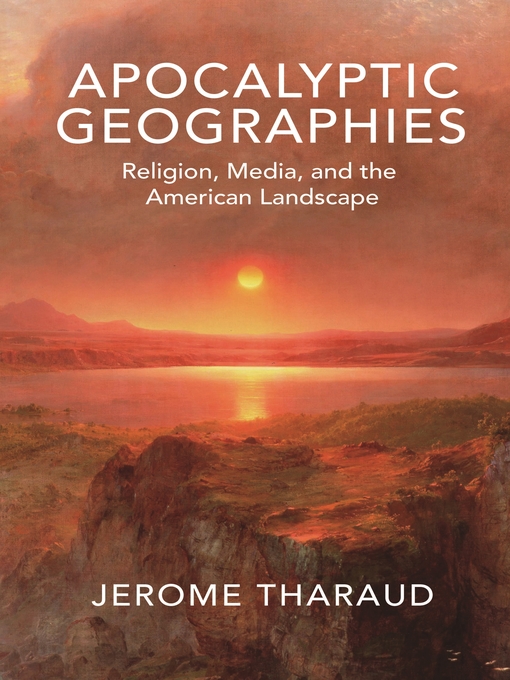
In nineteenth-century America, "apocalypse" referred not to the end of the world but to sacred revelation, and "geography" meant both the physical landscape and its representation in printed maps, atlases, and pictures. In Apocalyptic Geographies, Jerome Tharaud explores how white Protestant evangelicals used print and visual media to present the antebellum landscape as a "sacred space" of spiritual pilgrimage, and how devotional literature influenced secular society in important and surprising ways.
Reading across genres and media—including religious tracts and landscape paintings, domestic fiction and missionary memoirs, slave narratives and moving panoramas—Apocalyptic Geographies illuminates intersections of popular culture, the physical spaces of an expanding and urbanizing nation, and the spiritual narratives that ordinary Americans used to orient their lives. Placing works of literature and visual art—from Thomas Cole's The Oxbow to Harriet Beecher Stowe's Uncle Tom's Cabin and Henry David Thoreau's Walden—into new contexts, Tharaud traces the rise of evangelical media, the controversy and backlash it engendered, and the role it played in shaping American modernity.
-
Creators
-
Publisher
-
Release date
October 13, 2020 -
Formats
-
OverDrive Read
- ISBN: 9780691203263
- File size: 5821 KB
-
EPUB ebook
- ISBN: 9780691203263
- File size: 67545 KB
-
-
subjects
-
Accessibility
-
Languages
- English
Formats
- OverDrive Read
- EPUB ebook
Languages
- English
Why is availability limited?
×Availability can change throughout the month based on the library's budget. You can still place a hold on the title, and your hold will be automatically filled as soon as the title is available again.